Ever opened a letter from the government with an offer for your property and wondered, “Is this really what my land is worth?” If you own property in Florida and face an eminent domain action, you might receive a low initial offer, sometimes called a lowball offer. In this guide, you’ll learn exactly what a Florida eminent domain lowball offer is, why it happens, and, most importantly, how you can respond to get the compensation you truly deserve.
What Is a Lowball Offer in Florida Eminent Domain?
When the government or a utility company needs your property for a public project, like a new road or utility line, they have the legal right to take it through eminent domain. However, the law says they must pay you “just compensation.” A lowball offer happens when the amount offered is much less than what your property is really worth.
Lowball offers can leave property owners feeling frustrated and powerless. You might wonder if you have to accept whatever is offered or if there’s a way to fight back. Understanding the process is your first step toward protecting your rights and financial interests.
Why Do Lowball Offers Happen?
It can feel personal, but lowball offers are often just a numbers game. Here are some common reasons they happen in Florida eminent domain cases:
- Government or utility appraisers may undervalue your property, using outdated or incomplete information.
- The initial offer is often a starting point, not the final word. Agencies expect some negotiation.
- You might have special uses for your land (like a business or farm), but the offer only considers the basic property value.
- Sometimes, agencies hope that property owners will accept the first offer to avoid hassle or legal costs.
For example, if your land has been in your family for generations or supports a thriving business, a basic appraisal may not reflect its full value. The result? A lowball offer that doesn’t cover your real losses.
Your Rights as a Property Owner in Florida
You have more power than you might think when facing a Florida eminent domain lowball offer. Florida law gives you several important rights throughout the process:
The Right to Just Compensation
The Constitution requires the government to pay “just compensation” for any property it takes. This means you should receive the full, fair market value of your property, plus damages for any loss in value to your remaining land.
The Right to Challenge the Offer
You do not have to accept the first offer. Florida law allows you to negotiate, present your own evidence, and, if needed, challenge the offer in court.
The Right to an Independent Appraisal
You can hire your own appraiser to get an unbiased evaluation. This often reveals a higher property value than the government’s appraiser found.
The Right to Legal Representation
In Florida, the government is required to pay your reasonable attorney’s fees and costs if you challenge the offer. This makes it easier for you to get expert help without worrying about the bill.
Steps to Take If You Receive a Lowball Offer
Getting a Florida eminent domain lowball offer can be overwhelming, but you’re not alone. Here’s what you can do to protect yourself and your property:
- Review the offer carefully. Don’t rush to sign anything. Read every detail and make sure you understand what’s being offered and what’s being taken.
- Request a copy of the government’s appraisal. This will show you how they calculated their offer.
- Get your own independent appraisal. A qualified appraiser can give you a clear picture of your property’s true value, including any special features or business uses.
- Consult with an experienced eminent domain attorney. They can explain your rights, review your appraisals, and help you decide whether to negotiate, settle, or go to court.
- Negotiate. Many cases settle for higher amounts after negotiations, especially when owners present solid evidence of higher value.
- Prepare for possible litigation. If negotiations stall, you may need to challenge the offer in court. Remember, your legal fees may be covered by the government if you win more than the initial offer.
How Compensation Is Calculated in Eminent Domain Cases
Understanding how your compensation should be calculated helps you spot a lowball offer. In Florida, compensation usually includes:
Fair Market Value
This is what a willing buyer would pay and a willing seller would accept, with both having reasonable knowledge of the facts. It should consider the property’s location, condition, and any improvements.
Damages to Remaining Property
If only part of your land is taken, you may also get compensation for reduced value or lost use of what’s left. For example, if a road splits your farm, making it less usable, that loss should be covered.
Business and Relocation Damages
If your business is affected, you may be entitled to extra payments for lost profits, moving costs, or equipment replacement. Florida law recognizes these damages in certain cases.
Interest and Costs
If there’s a delay in payment or if your case goes to court, you may also be entitled to interest and reimbursement for reasonable costs.
Common Mistakes to Avoid With Lowball Offers
It’s easy to make mistakes when you’re under pressure to respond quickly. Here are some pitfalls to watch out for in Florida eminent domain lowball offer situations:
- Accepting the first offer without question. The initial offer is rarely the best.
- Relying only on the government’s appraisal. An independent appraisal can reveal hidden value.
- Ignoring business or special use damages. If your property supports a business or unique activity, make sure these are considered.
- Waiting too long to respond. There are deadlines for negotiations and filings, so act promptly.
- Going it alone. An experienced attorney can spot problems and fight for your best interests.
Real-World Example: Challenging a Lowball Offer
Imagine you own a small retail store on a busy Florida street. The city wants part of your parking lot for a new road and offers you $50,000. Their appraisal only considered the land, not the impact on your business. You hire your own appraiser, who values the lost parking and its effect on your sales. With this information and help from your attorney, you negotiate a settlement of $120,000, over double the original offer. This kind of outcome is common when property owners know their rights and use the right experts.
What to Expect During the Negotiation Process
Negotiation can feel intimidating, but it’s a normal part of the Florida eminent domain process. Here’s a quick overview:
- You receive a written offer and the government’s appraisal.
- You review the documents and gather your own evidence.
- Both sides may meet for informal discussions or formal mediation.
- If you reach an agreement, you sign a settlement and get paid.
- If you can’t agree, the case can go to court, where a judge or jury decides the final amount.
Most cases settle before trial, but being prepared to go all the way often leads to better offers.
When to Get Expert Help
If you get a Florida eminent domain lowball offer, it pays to have the right team on your side. Lawyers and appraisers who handle eminent domain cases every day know how to spot undervaluation and push for better results. Because Florida law covers reasonable attorney’s fees and costs, you can often get expert help without paying out of pocket.
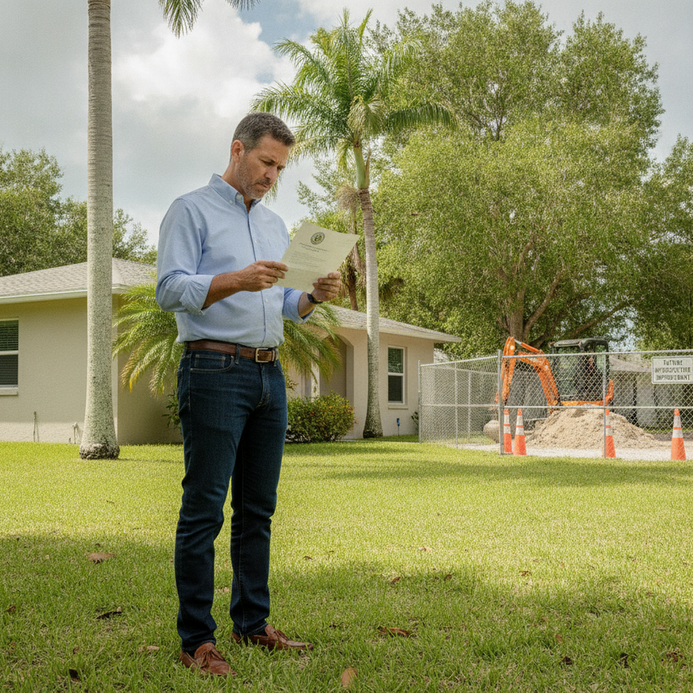
[IMAGE] Homeowner receiving a low offer for their Florida property during an eminent domain case, looking concerned. AI image prompt: A Florida resident standing in front of their house, looking at an official letter, with a nearby construction site. The scene includes palm trees and a sunny sky to emphasize the Florida location.
Conclusion
Getting a lowball offer in a Florida eminent domain case might feel like the end of the road, but you have real rights and options. With the right information and expert support, you can negotiate for the compensation you deserve. Contact us to learn more.