If you’re a property owner in Florida, you might wonder what happens if the government or a public agency wants to take part of your land for a road, utility, or another public project. This process is called eminent domain, and it’s a big deal, especially if you run a business on your property. One of the most confusing parts is figuring out “florida business damages eligibility.” Will you be able to claim compensation for losses to your business? How do you know if you qualify, and what’s involved?
This guide explains florida business damages eligibility in simple terms. You’ll find out what qualifies as business damages, who can claim them, how the process works, and practical steps to protect your rights. Whether you own a restaurant, retail store, office building, or any business using Florida property, this guide is for you.
What Are Business Damages in Florida Eminent Domain Cases?
When the government takes private property for public use, it’s required to pay “just compensation”, that means fair market value for the land or building taken. But for business owners, there’s another layer: business damages. These are losses your business suffers because of a partial taking of your property.
Business damages go beyond the value of your land or building itself. They cover financial harm to your business that directly results from the government taking a portion of your property. For example, maybe a road expansion removes your parking lot, making it harder for customers to visit. Or maybe construction disrupts your deliveries, causing you to lose sales.
Here are some common types of business damages in Florida:
- Lost profits due to fewer customers or disrupted operations.
- Increased costs, such as relocating equipment or staff.
- Loss of business value if the property is critical to your operations.
- Reduced visibility or access that makes it harder for customers to find you.
- Expenses for advertising to regain lost business.
These damages are specific to businesses physically located on the affected property. If your business is only online or you don’t use the property for business, you usually can’t claim business damages.
Who Is Eligible for Business Damages in Florida?
Florida law sets clear criteria for who can claim business damages. Not every property or business owner qualifies. Understanding florida business damages eligibility is crucial before you spend time and money preparing a claim.
Here are the main requirements:
-
The government must take only part of your property, not the entire parcel. Full takings are different, you’d get paid for the whole property, but business damages usually aren’t available.
-
Your business must be active and established on the property for at least three years before the government makes its first written offer. This is to prevent short-term or speculative businesses from making claims.
-
The business must have a physical presence on the property. That means actual operations, not just a mailing address or registration.
-
The government’s taking must substantially damage your ability to operate. This could mean losing your main entrance, parking, or access to the road, or having part of your building or lot taken so you can’t run your business as before.
-
The business must be legally compliant. Illegal operations or those violating zoning laws usually don’t qualify.
Even if you meet these requirements, there can be gray areas. For example, what counts as a “substantial” impact? That’s often decided based on expert reports, financial records, and sometimes even in court.
More Examples of Business Damages: What Counts in Real Life?
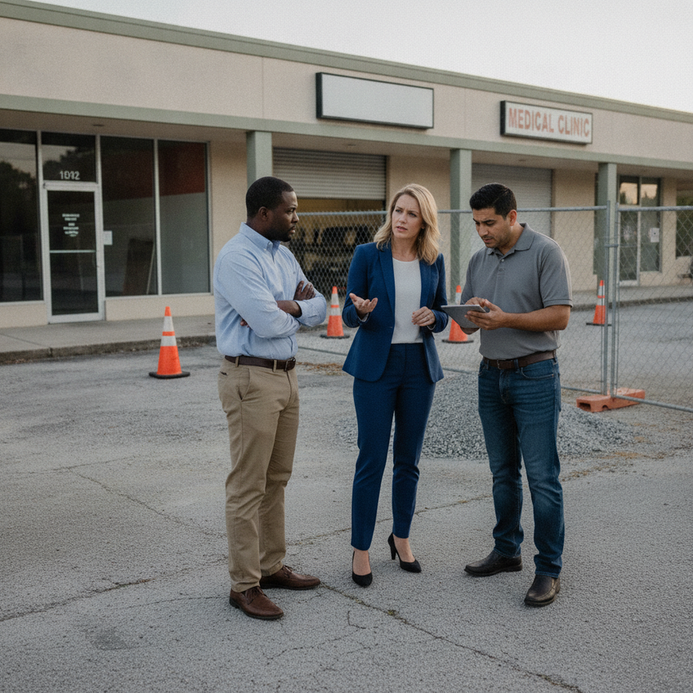
It’s one thing to read about eligibility, but it’s easier to understand with real-life examples. Let’s look at some situations that highlight how florida business damages eligibility comes into play.
Imagine you own a busy pizza restaurant in a strip mall. The city decides to widen the nearby road and takes a strip of your front parking lot. Suddenly, your customers have to park far away or can’t find parking at all. As a result, your lunch rush drops off, and your profits fall. In this situation, you could claim business damages for lost profits and the loss of customer access.
Maybe you run an auto repair shop, and the county takes a chunk of your property for a new utility line. You have to move your storage shed, which costs you money. Also, the construction limits your ability to take in as many cars at once. You’d have a claim for relocation costs and lost income during the construction period.
Consider a medical office that’s been in the same location for decades. The state removes a portion of the building’s front lawn and blocks the main entrance for months. Patients have a hard time finding the office, and some go elsewhere. The business could claim damages for lost patients and costs of extra advertising to let people know they’re still open.
Even small changes, like losing a sign or having access rerouted, can lead to business damages if they hurt your bottom line. The key is being able to show a direct connection between the property taking and your business loss.
The Process for Claiming Business Damages in Florida
Filing a business damages claim isn’t automatic. You need to follow a clear process to protect your rights and maximize your compensation.
Here’s what usually happens:
-
The government or agency sends you a formal “first written offer” to buy or take part of your property. This starts the clock for your claim.
-
From the date of that offer, you have 180 days to submit a detailed business damages claim. This deadline is strict, missing it can mean losing your right to seek these damages.
-
You’ll need to gather and submit evidence showing how the taking hurts your business. This includes:
-
Tax returns and profit/loss statements from the past three years.
-
Records of sales or income before and after the taking.
-
Expert reports from accountants or business valuators.
-
Documentation of extra costs (like moving, advertising, or reduced access).
-
Photos, customer feedback, or other proof of changes to your business.
-
The government reviews your claim and may negotiate. Sometimes, they’ll offer a settlement. If you can’t agree, you may have to go to mediation or even court. A judge or jury will then decide what, if anything, you’re owed.
Throughout this process, the details matter. Having a knowledgeable attorney or business damages expert can make a big difference. They’ll help you meet deadlines, gather evidence, and make sure your claim is as strong as possible.
Factors That Affect the Value of Business Damages
Every business and every property is unique, so the amount you might receive for business damages can vary a lot. Several important factors influence the final value:
-
Extent of the Taking: How much property is taken? Losing a small strip might hurt less than losing half your parking or your main entrance.
-
Impact on Access and Operations: Does the taking block customers, suppliers, or employees? Does it reduce visibility from the main road? Even small changes can lead to big drops in revenue for certain businesses, like restaurants or retail stores.
-
Type of Business: Some businesses depend heavily on location and access, while others (like warehouses or storage facilities) might be less affected. For example, a coffee shop losing its drive-thru lane may lose a large portion of its business, while a storage facility losing a fence might not see much change.
-
Length of Disruption: Temporary disruptions (like road closures during construction) can lead to short-term losses, while permanent changes (like losing part of your building) can have ongoing effects.
-
Ability to Relocate or Adapt: If you can move your business or change the way you operate with minimal cost, your damages may be lower. But if you can’t relocate or adapting would be expensive, damages might be higher.
-
Business History: The longer your business has been operating successfully at the location, the easier it is to show a clear pattern of income and losses. Newer businesses may have a harder time proving their usual profits.
It’s important to remember that you need to prove your damages with solid evidence. Hopes or guesses aren’t enough, the law requires numbers and documentation.
Tips to Protect Your Rights as a Property Owner
If you think your business might be affected by an eminent domain taking, don’t wait until the last minute. Here are some practical steps to help protect your interests and maximize your chance of fair compensation:
-
Keep detailed business records. Save tax returns, sales reports, and profit/loss statements for at least three years. The more organized your records, the stronger your claim.
-
Document changes as soon as you hear about a potential taking. Take photos of your property, parking, signage, and access points. If customer traffic drops, keep notes or get feedback from regulars.
-
Respond quickly to any official notices or offers from the government. Remember, the 180-day deadline for business damages claims starts with the first offer.
-
Get advice from professionals familiar with florida business damages eligibility. Attorneys, appraisers, and accountants can help you understand your rights and gather the right evidence.
-
Don’t accept the first offer without review. The initial offer is often not the best you can get. Negotiation is common, and professionals can help you assess whether the offer truly reflects your business’s losses.
-
Talk to other business owners who’ve gone through the process. Their experiences can help you avoid common mistakes and learn what to expect.
-
Stay informed about public projects in your area. Local government websites and community meetings often announce upcoming road or utility projects. Being proactive gives you more time to prepare.
By taking these steps, you’ll put yourself in a better position to protect your business and get the compensation you deserve.