Ever wondered what happens to a business when its property gets taken by the government for a highway or public project? If you own a business in Florida facing eminent domain, you might hear about something called the “Florida business damages years requirement.” This rule is a key part of how business owners claim and receive compensation when their property is affected by eminent domain. In this guide, you’ll learn what the requirement means, why it matters, and how to make sure your business rights are protected if you ever have to face this situation.
What Is the Florida Business Damages Years Requirement?
First, let’s break down what the term means. In Florida, when the government uses eminent domain to take private property for public use, business owners on that property may be able to claim damages. But not every business is automatically eligible. The Florida business damages years requirement is a rule that says a business must have been operating on the property for a certain number of years before it can claim compensation for lost profits or damages.
So how many years? Under Florida law (specifically, Florida Statutes Section 73.071(3)(b)), a business must have been in operation for at least three years at the location that is being taken or affected by eminent domain. This three-year rule is designed to make sure claims are for established businesses, not just pop-ups or temporary operations.
Why does this matter? If your business hasn’t met this threshold, you may not be able to claim business damages at all. Understanding this requirement early can make a huge difference in planning your next moves.
Why Was the Years Requirement Created?
The years requirement didn’t just appear out of thin air. It was created to balance the rights of business owners with the need for fair, predictable claims. The logic is simple: a business that’s been around for years likely has real, predictable income and a history of serving the community. This makes it easier to calculate fair compensation if the business is disrupted or forced to close due to eminent domain.
Lawmakers were also concerned about preventing false or inflated claims. Without a minimum years rule, someone could set up a shell business right before a property was taken, hoping to get a payout. The three-year requirement helps prevent this by focusing on businesses with a proven track record.
How the Years Requirement Affects Your Business Damages Claim
If your business has been operating at the same location for at least three years, you may be eligible to claim damages for lost profits and other business losses. But if you’re just shy of that three-year mark, you could be left out. This is why it’s important to know exactly when your business started operating at the affected location.
Let’s look at what this means in practice. Imagine you opened a small café on a busy corner two and a half years ago. If the government announces a new road project that will take your property before your third anniversary, your eligibility for business damages could be in question. On the other hand, if you’ve run that café for four years, you’re in the clear to start the claims process.
This requirement also means that careful record-keeping matters. You’ll need to show clear proof of when you started business operations at the site. Things like lease agreements, business licenses, tax returns, and utility bills can all help build your case.
What Counts as “Operating” for the Years Requirement?
The idea of “operating” might sound simple, but there are some important details. For your business to qualify under the Florida business damages years requirement, you need to show active operation at the specific location. This doesn’t mean just having a business license. It means real, ongoing business activity.
If you moved your business from another location, the clock resets when you start at the new spot. The three years must be spent at the property affected by eminent domain, not in business overall. For example, if you ran a flower shop in Miami for ten years, then moved to Orlando and operated for one year before facing eminent domain, you wouldn’t meet the requirement for your new Orlando location.
Also, the business must be a for-profit operation. Nonprofit organizations generally aren’t eligible for business damages in Florida eminent domain cases. If your business was closed for renovations or due to seasonal shutdowns, you’ll need to show that these were temporary pauses, not permanent closures.
Types of Businesses and the Years Requirement
The rule applies to many kinds of businesses, but there are some special situations. Here are a few examples:
- If you run a family-owned restaurant at the same location for over three years, you’ll likely qualify.
- If you own a retail store that just moved into a new space one year before the government takes the property, you probably won’t qualify.
- If you’re a franchisee operating under a brand but at a location you’ve had for four years, you can claim business damages for that spot.
Agricultural businesses, home-based operations, and even some service businesses can qualify, as long as they meet the years and location requirement. However, the specifics can get complicated if you share space with other businesses or have changed your business structure. In these cases, it’s smart to consult an expert who understands Florida’s eminent domain laws.
How to Prove Your Business Meets the Years Requirement
When you file a business damages claim in Florida, you’ll need to prove you meet the years requirement. This often means gathering paperwork that shows consistent business activity at your location for at least three years.
Here’s what can help:
- Business tax returns for the past three years, showing the address in question
- Lease or property ownership documents covering the entire period
- Local business licenses issued to your business at that location
- Utility bills or vendor invoices in your business name at that address
- Payroll records or employee statements linking your business to the site
These documents help paint a clear picture for the government or the courts of how long your business has been active at the affected property. Missing or incomplete records can make your claim harder to prove, so it’s worth organizing this information early in the process.
What Happens If You Don’t Meet the Years Requirement?
If your business doesn’t meet the Florida business damages years requirement, you won’t be able to claim compensation for lost profits or certain business losses under Florida law. However, you may still be eligible for compensation for the property itself, or for relocation expenses, depending on your situation.
It can feel unfair if you’re just shy of the three-year mark, but the law is clear about this cutoff. If you think you might qualify in the near future and you hear about a potential eminent domain project, it may be worth seeking legal advice right away. Sometimes, the timeline for property acquisition gives business owners a chance to meet the requirement before the property is officially taken.
Tips for Business Owners Facing Eminent Domain in Florida
Dealing with eminent domain can be stressful, but understanding your rights gives you more control. Here are some practical tips:
- Keep detailed records from the start of your business at any new location.
- If possible, plan your business moves or expansions with the three-year rule in mind.
- If you hear about a public project that might affect your property, don’t wait to get advice.
- Consult with a Florida eminent domain expert who can review your documents and help you understand your options.
- Stay informed about changes in state law or local government plans that could affect your eligibility.
Sometimes, the difference between a successful claim and a denied one comes down to paperwork or a small gap in your timeline. Being prepared is your best defense.
Common Questions About the Years Requirement
Can I combine years at different locations to meet the requirement?
No, the law only counts years spent operating at the specific property affected by eminent domain. Time spent at other locations does not count toward the three-year minimum.
What if my business changed owners but stayed open?
If the business continued operating under new ownership without interruption, it may still qualify. However, the details matter, so you’ll want to review your specific situation with an expert.
Are there exceptions to the three-year rule?
Generally, the rule is strict, but unique circumstances can sometimes lead to different outcomes. If your business is just under the three-year mark, or if there are special factors involved, consult with a legal professional for guidance.
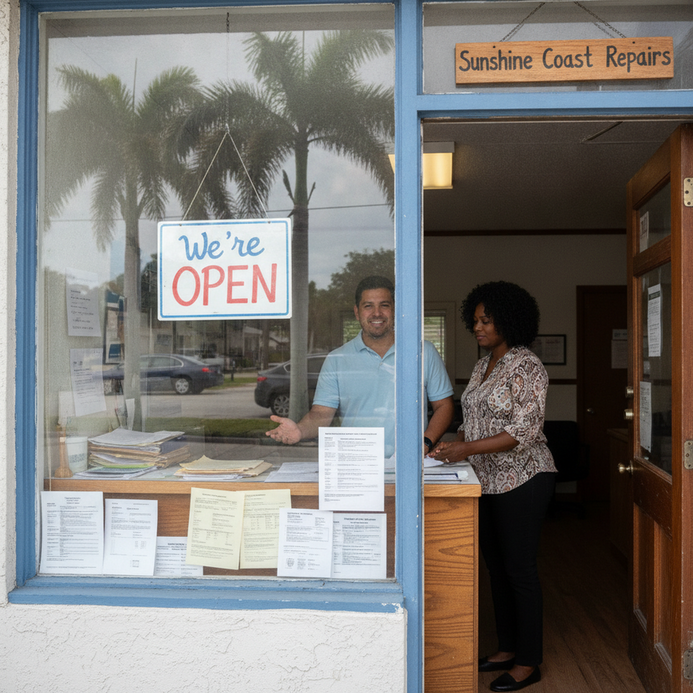
[Inline Image Placeholder: A Florida-based small business storefront, with a “We’re Open” sign and visible paperwork on the counter, illustrating the concept of business continuity. AI image prompt: A bright, welcoming Florida shopfront with palm trees, paperwork, and a sense of community. Realistic and inviting.]
Conclusion
The Florida business damages years requirement is a crucial rule for business owners facing eminent domain. Knowing whether your business meets the three-year operating rule can make the difference between receiving compensation for lost profits or missing out. If you’re unsure about your eligibility or need help navigating the process, contact us to learn more.