If you own property in Florida, you may have heard about eminent domain or condemnation. But what does Florida condemnation law actually mean for you? In this guide, you’ll learn what condemnation is, how the process works, your rights as a property owner, and what steps to take if your property is targeted. Whether you own a home, business, or farmland, this guide will help you understand your options and protect what matters to you.
What Is Condemnation in Florida?
Condemnation is the legal process where a government or certain private companies can take private property for public use. In Florida, this usually happens when land is needed for things like roads, utilities, or schools. The law that allows this is called eminent domain. Florida condemnation law lays out the rules for how and when this can happen, and what kind of compensation you should expect.
The government can’t just take your property for any reason. There must be a public purpose, like building a highway or a new school. Even then, you have important rights, including the right to be paid fair value for your property. Fair value means the amount your property would sell for in a normal market, not just what the government thinks it’s worth.
The Condemnation Process: Step by Step
Ever wondered what actually happens if your property is targeted for condemnation? The process has several steps, each with its own rules and timelines under Florida condemnation law.
- First, a government agency or utility company identifies the property it needs.
- Next, you’ll receive a written notice, often called an “offer to purchase” or a “notice of intent.” This document tells you why your property is needed and what the agency is offering as payment.
- Appraisals come next. Both you and the agency may hire appraisers to determine what your property is worth. It’s common for these numbers to be different.
- Negotiation follows. You can accept the offer, negotiate for a higher amount, or reject it.
- If you can’t agree, the agency can file a lawsuit to start the formal condemnation process. This is where a court gets involved and decides how much compensation is fair.
- Finally, the government pays you and takes ownership of the property.
Each step has deadlines and requirements. Missing a deadline or not understanding your rights can hurt your chances of getting fair compensation. For this reason, many property owners talk to a lawyer or an expert in Florida condemnation law early in the process.
Your Rights as a Florida Property Owner
Florida law gives you several protections when facing condemnation. These rights are designed to make sure the process is fair, even though the government has strong powers.
You have the right to:
- Receive advance notice if your property is being considered for condemnation.
- Get a written offer and a copy of the appraisal the agency used to set that offer.
- Hire your own appraiser, attorney, and other experts. In many cases, the government must pay your reasonable legal and expert fees.
- Negotiate the compensation amount, and if you can’t agree, have a jury decide in court.
- Challenge whether the taking is truly for a public purpose. If you believe the project isn’t necessary or doesn’t serve the public, you can raise that issue in court.
- Be compensated not just for your land, but for things like moving costs, loss of business income, and damages to any remaining property.
These rights can be complex. For example, if part of your property is taken but the rest is left behind, you might be owed additional money if the leftover land loses value. This is called “severance damages.”
How Compensation Is Determined
One of the biggest worries for property owners is getting paid fairly. So, how does Florida condemnation law decide what you’re owed?
Compensation is based on the “fair market value” of your property. That’s the price your property would sell for between a willing buyer and seller, with no pressure to buy or sell. Appraisers look at recent sales, local trends, and the condition of your property.
But there’s more. In Florida, you may also be compensated for:
- Loss of business income if your company is disrupted or shut down.
- Relocation expenses if you have to move your home or business.
- Any decrease in value to the part of your property that’s left behind after a partial taking.
- Costs for hiring legal or appraisal help, which are often reimbursed.
Here’s a simple example: Imagine you own a small shop, and the state needs part of your parking lot for a road project. You’d get paid for the land they take, plus any drop in value to your remaining property. If your business income falls because customers can’t park, you could be paid for that loss too.
Common Reasons for Condemnation in Florida
Why do properties get condemned in Florida? The most common reasons are tied to public needs or improvements.
Some typical projects include:
- Expanding highways or building new roads.
- Installing or upgrading utilities like water, sewer, or electricity lines.
- Creating public parks or schools.
- Building public transit lines.
- Flood control or environmental restoration projects.
Sometimes, private companies like railroads or utility providers can use condemnation powers if they’re serving a public function. But their actions are also governed by Florida condemnation law, which means your rights and compensation are protected.
Navigating the Legal Process: Tips for Property Owners
Feeling overwhelmed? You’re not alone. The legal and financial issues in a condemnation case are complicated, and the stakes are high. Here are some tips to help you stay in control:
Start by reading every notice and document you receive. These letters explain the process and give important deadlines. Don’t ignore them, even if you disagree with what’s happening.
Consider hiring your own team. Many property owners work with a lawyer who specializes in Florida condemnation law. Lawyers can help you understand your rights, negotiate better offers, and represent you in court if needed. In many cases, the government will cover your legal fees.
Get your own appraisal. The government’s offer may not reflect the real value of your property. A private appraiser can give you an independent opinion that could help you negotiate for more money.
Keep records of everything. Document any costs you face because of the condemnation, from moving expenses to lost business revenue. These records can support your claim for full compensation.
Ask questions. If you’re unsure about a step in the process or what your rights are, don’t hesitate to ask for help. There are resources available, like Florida Eminent Domain, that provide guidance and support.
[Inline Image Placeholder]
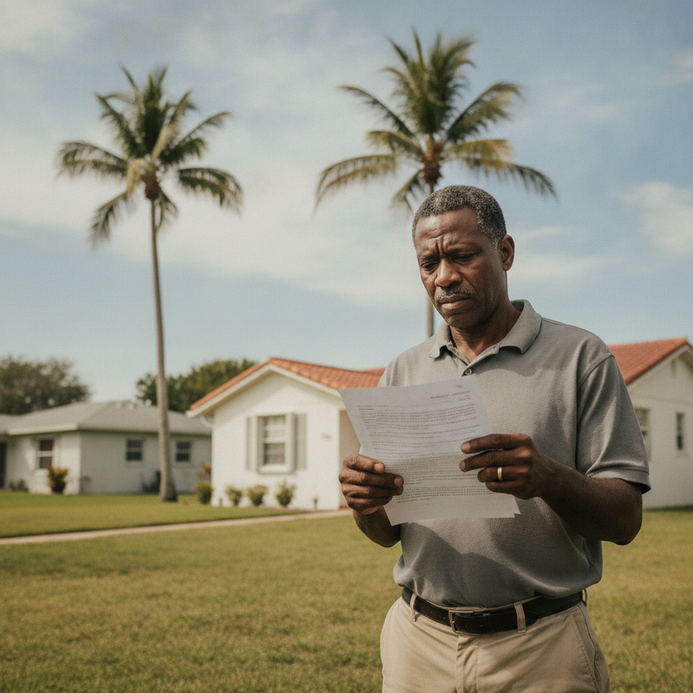
alt text: Florida property owner reading a legal notice about condemnation, with a worried expression, palm trees and a modest home in the background. AI prompt: “A concerned Florida property owner stands outside a small home, reading a legal notice, palm trees and bright sky in the background, realistic style.”
What to Do If Your Property Is Targeted
Learning your property may be condemned can be stressful, but there are steps you can take to protect yourself.
- Review everything you receive from the government or agency.
- Talk to a lawyer or expert in Florida condemnation law as soon as possible.
- Gather information about your property, including recent sales in your area and any business income records if you operate a business on the land.
- Stay involved in negotiations. Don’t be afraid to ask for a better offer or more information.
- Be prepared for the possibility of going to court. While many cases settle before trial, having your own evidence and experts can make a big difference if it comes to that.
Remember, the government is required to treat you fairly, but it is up to you to stand up for your rights. Don’t rush to accept the first offer without doing your homework.
Conclusion
Understanding Florida condemnation law can make a big difference when your property is at stake. Knowing your rights, the process, and how compensation works puts you in a stronger position if the government comes knocking. If you want to protect your property and get a fair deal, contact us to learn more.