Ever wondered what happens if the government wants to take your property for a new road or public project? If you own property in Florida, you might face a situation called eminent domain. In this guide, we’ll break down what a Florida eminent domain settlement really means, what rights you have, how compensation works, and how you can protect yourself during the process. By the end, you’ll have a clear path forward if eminent domain affects you.
What Is Eminent Domain in Florida?
Eminent domain is the power the government has to take private property for public use. In Florida, this could mean your home, business, or land is needed for things like highways, schools, or utilities. The law says the government must pay you “just compensation”, in other words, a fair price for your property.
Most people think eminent domain is rare, but it happens more often than you might expect. Local and state agencies, and sometimes even utility companies, can exercise this right. The process usually starts with a notice or offer from the government, and it can feel overwhelming if you’re not prepared.
The Florida Eminent Domain Settlement Process
Understanding how a Florida eminent domain settlement unfolds can help you know what to expect and where you have choices. Here’s a step-by-step look at what happens:
- First, you’ll get a formal notice from the government or agency explaining their intent to acquire your property.
- Next, you’ll receive an initial offer, usually based on an appraisal. This isn’t a final number, it’s just their starting point.
- Negotiation follows. You have the right to challenge the offer, present your own appraisal, and negotiate for a higher amount or better terms.
- If you and the government agree on a price, you’ll sign a settlement agreement. If not, the case may go to court, where a judge or jury decides the value.
Most cases settle before trial, but the process can stretch over several months. Having a clear understanding of your rights and options is key to reaching a fair settlement.
Your Rights as a Property Owner
If you’re facing an eminent domain action in Florida, you have important rights. Knowing these can make a big difference in the outcome of your settlement.
Right to Just Compensation
The government can’t take your property without paying you a fair price. “Just compensation” means the amount of money that puts you in the same financial position as before. This usually starts with the market value, but you may also be entitled to damages for things like lost business income or costs to relocate.
Right to Challenge the Taking
You have the right to challenge whether the government truly needs your property for a public use. This is known as contesting the “public purpose.” While these challenges are tough to win, they can sometimes result in the case being dropped or a better settlement offer.
Right to Legal Representation
Florida law allows you to hire an attorney, and in many eminent domain cases, the government must pay your reasonable legal fees. This can level the playing field and help you navigate complex negotiations.
Right to a Jury Trial
If you can’t agree on the compensation amount, you have the right to let a jury decide. Sometimes, just knowing you can take the case to trial encourages the government to offer a higher settlement.
How Compensation Works in a Florida Eminent Domain Settlement
When it comes to compensation, a Florida eminent domain settlement goes beyond just the value of your land. Let’s break down what you could be entitled to receive.
Types of Compensation
- Market Value: The fair market price of your property based on recent sales of similar properties.
- Damages to Remaining Property: If only part of your land is taken, you may get paid for the loss in value to what’s left.
- Relocation Costs: If you have to move, you could be reimbursed for moving expenses or costs to find a new home or business location.
- Business Damages: If your business suffers because of the property loss, you may be able to claim compensation for lost profits or costs to re-establish elsewhere.
How Values Are Determined
Appraisers look at recent sales, property features, and local market trends. You can hire your own independent appraiser to challenge the government’s numbers. Sometimes, two appraisers will come up with very different opinions, which is why negotiation is so important.
Partial vs. Full Takings
If only a slice of your property is needed, you won’t just get paid for the land taken. You might also get money for how the taking affects the value and use of what remains. For example, losing a parking area for your business could hurt your bottom line, and that can be part of your compensation claim.
Common Challenges in Florida Eminent Domain Settlements
Settling with the government isn’t always straightforward. Here are some issues property owners often face:
Low Initial Offers
The first offer from the government is often lower than what your property is really worth. Many owners accept this offer without realizing they can negotiate or bring in their own experts.
Disagreement Over Damages
It’s not just about the land. Disputes often arise over how much compensation is owed for things like lost access, business impact, or damage to what’s left of the property.
Pressure to Settle Quickly
Agencies may push for a quick agreement, making it seem like you don’t have time to review the offer or consult with a lawyer. Remember, you don’t have to accept the first offer and you have the right to seek advice.
Complex Legal Procedures
Eminent domain law comes with strict deadlines and paperwork. Missing a step could hurt your case, so it’s important to stay organized and informed.
Steps to Protect Your Rights and Maximize Compensation
If you find yourself dealing with an eminent domain notice, here’s how you can protect your interests and get the best possible settlement.
- Don’t rush to accept any initial offer. Take time to understand your rights and consult with qualified professionals.
- Hire an experienced eminent domain attorney. Many work on a contingency basis, and Florida law may require the government to pay your legal fees.
- Get your own independent appraisal. This gives you a realistic view of your property’s value and strengthens your negotiation position.
- Keep detailed records of all communications, offers, and expenses related to the taking.
- Consider potential damages beyond just the land value, like lost business income or extra costs you’ll have to pay.
- If negotiations stall, remember you have the right to a jury trial. Sometimes, just preparing for court encourages a better settlement.
What to Expect When Negotiating a Settlement
Negotiating a Florida eminent domain settlement is a process that gives you a voice. Here’s what the process might look like:
You’ll likely meet with representatives from the agency, often with your attorney and appraiser present. Both sides will share their valuations and concerns. Negotiations may go back and forth over several meetings. Sometimes, mediation or a formal settlement conference is used to help find common ground.
If a deal is reached, the agreement will spell out the compensation amount, payment timeline, and any conditions. If not, the case continues toward trial. Most property owners settle before going to court, but it’s important to prepare as if you might need to present your case to a judge or jury.
Frequently Asked Questions about Florida Eminent Domain Settlements
How long does the settlement process take?
It varies, but most cases last several months from the first notice to final payment. Delays can happen if there’s a big gap in property value opinions or if the case goes to trial.
Can I keep part of my property?
Sometimes. If the government only needs a portion, you can usually keep the rest, but you may be compensated for any loss in value or use.
Do I have to accept the government’s offer?
No. You have the right to negotiate, get your own appraisal, and take the case to court if needed.
Will hiring an attorney cost me extra?
In many cases, Florida law requires the government to pay your reasonable legal fees as part of your compensation.
Image Placeholder
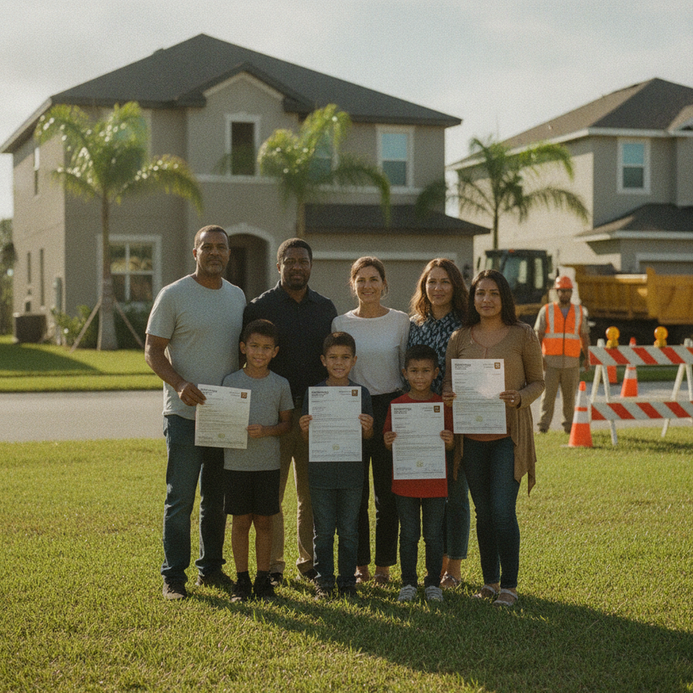
Image prompt: A Florida family standing in front of their suburban home, holding documents, with a city worker and construction signs in the background, sunny day, photorealistic.
Conclusion
Facing an eminent domain action in Florida can be stressful, but you have clear rights and options. Understanding the Florida eminent domain settlement process helps you protect your property and get fair compensation. Contact us to learn more.